
In the bustling world of energy drinks, Alani Nu has carved out a unique niche, appealing to fitness enthusiasts and casual consumers alike. With its vibrant flavors and eye-catching branding, it’s no wonder many are curious about its health implications. But is Alani Energy Drink as beneficial as it seems, or could it pose risks to your health?
As consumers increasingly seek quick energy boosts, understanding the ingredients and potential effects of these drinks becomes crucial. From caffeine content to added sugars and vitamins, Alani’s formulation raises questions about its safety and suitability for regular consumption. This article delves into the facts, helping readers make informed choices about their energy drink habits.
Overview of Alani Energy Drink
Alani Energy Drink stands out for its unique combination of ingredients designed to boost energy and enhance performance. Each 12-ounce can contains approximately 200 mg of caffeine, sourced from green tea extract, which offers a significant energy lift. The drink is sugar-free, utilizing sucralose and acesulfame potassium as sweeteners, appealing to those seeking lower-calorie options.
The ingredient list also features B vitamins, including B6 and B12, which contribute to energy metabolism and overall wellness. Additionally, Alani Energy Drink incorporates electrolytes, supporting hydration during workouts or throughout the day. Popular flavors include Cosmic Starburst, Arctic White, and Rainbow Candy, which cater to a variety of taste preferences.
While Alani Energy Drink presents benefits such as increased energy and improved performance, it’s essential to consider potential drawbacks, particularly the caffeine content. Caffeine can lead to side effects, including increased heart rate, jitteriness, and sleep disturbances, especially for those sensitive to stimulants. Understanding individual tolerance levels is crucial in determining the drink’s suitability for regular consumption.
Ingredients in Alani Energy Drink
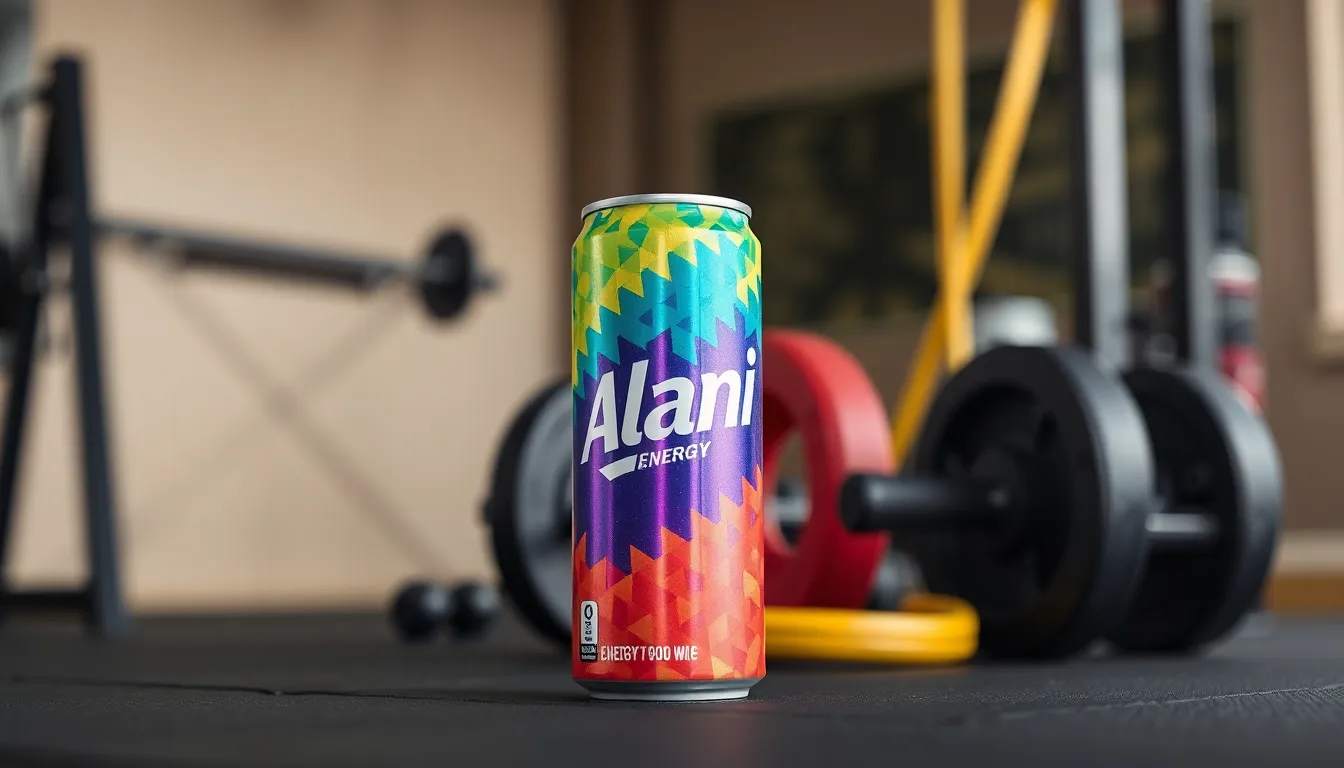
Alani Energy Drink features a blend of ingredients aimed at enhancing energy and performance. Understanding these components is crucial for assessing health implications.
Caffeine Content
Alani Energy Drink contains approximately 200 mg of caffeine per 12 oz can. Caffeine, derived from green tea extract, acts as a central nervous system stimulant. This level of caffeine corresponds to about two cups of brewed coffee. While caffeine can improve alertness and physical performance, it may also lead to side effects like increased heart rate and sleep disturbances in sensitive individuals.
Other Key Ingredients
Alani Energy Drink includes several other significant components:
- Sucralose: A calorie-free sweetener, sucralose provides a sweet flavor without sugar, catering to low-calorie diets.
- Acesulfame Potassium: Often used alongside sucralose, this artificial sweetener enhances flavor intensity without adding calories.
- B Vitamins: These vitamins, including B3, B6, and B12, support energy metabolism, promoting effective energy conversion from food.
- Electrolytes: Ingredients like sodium and potassium help maintain hydration and electrolyte balance, crucial during physical activity.
This combination of ingredients makes Alani Energy Drink an appealing option for many consumers, particularly those engaged in fitness or physical activities.
Potential Health Benefits
Alani Energy Drink offers several potential health benefits, particularly for individuals looking to enhance their energy levels and improve physical performance.
Improved Energy and Focus
Alani Energy Drink contains approximately 200 mg of caffeine from green tea extract, providing a quick boost in energy. Caffeine acts as a central nervous system stimulant, helping increase alertness and concentration. This effect can lead to enhanced cognitive performance, making it beneficial for tasks requiring sustained focus. Furthermore, the combination of B vitamins supports energy metabolism, ensuring the body effectively converts food into energy.
Workout Performance
Alani Energy Drink enhances workout performance through its unique formulation. The caffeine content can improve endurance and reduce perceived exertion during physical activity, allowing individuals to train harder and longer. Additionally, the inclusion of electrolytes helps maintain hydration, which is crucial for optimal performance, particularly during intense workouts. The sugar-free composition enables consumers to enjoy energy-boosting benefits without excessive calorie intake, contributing to fitness goals.
Potential Health Risks
Alani Energy Drink poses certain health risks primarily associated with its ingredients. Understanding these risks is crucial for consumers seeking to maintain their overall well-being.
Caffeine Overconsumption
Caffeine overconsumption can lead to various health issues. It is important for consumers to monitor their total caffeine intake, especially since Alani Energy Drink contains about 200 mg of caffeine per serving. The FDA recommends a daily limit of 400 mg for most adults. Exceeding this limit can result in symptoms such as increased heart rate, anxiety, and restlessness. Those sensitive to caffeine may experience heightened effects, including insomnia and gastrointestinal disturbances.
Other Side Effects
Other side effects may arise from consuming Alani Energy Drink. Sucralose and acesulfame potassium, used as artificial sweeteners, may cause digestive discomfort in some individuals. Additionally, excessive intake can lead to exacerbation of anxiety and mood fluctuations. B vitamins, while essential for energy metabolism, may pose risks if consumed in very high doses over prolonged periods. Lastly, individuals with certain medical conditions, such as heart disorders or anxiety disorders, should evaluate their caffeine intake carefully to avoid potential health complications.
Expert Opinions on Alani Energy Drink
Experts offer mixed opinions on Alani Energy Drink, reflecting its unique formulation and ingredients. Nutritionists highlight its sugar-free nature, noting that using sucralose and acesulfame potassium as sweeteners helps reduce calorie intake. However, they caution that artificial sweeteners may lead to digestive issues in sensitive individuals.
Caffeine specialists acknowledge Alani’s caffeine content of approximately 200 mg per serving, positioning it as a significant source of stimulation. They suggest that consumers monitor overall caffeine consumption to avoid potential side effects like increased heart rate and anxiety, especially for those sensitive to stimulants. The general recommendation emphasizes moderation, particularly for individuals with cardiovascular conditions.
Fitness experts commend Alani Energy Drink’s inclusion of B vitamins and electrolytes, which can aid in energy metabolism and hydration. They suggest these components may enhance exercise performance, making it an appealing choice for active individuals. Nonetheless, some fitness professionals recommend evaluating personal tolerance to caffeine and the drink’s overall effects on workouts.
Psychologists studying dietary impacts on mood emphasize the importance of understanding individual responses to caffeine. They note that while many enjoy improved alertness and concentration, some experience mood fluctuations or increased restlessness following consumption.
Overall, these expert insights provide a nuanced understanding of Alani Energy Drink’s potential advantages and drawbacks, advocating for informed consumer choices based on personal health and lifestyle.
Choosing to consume Alani Energy Drink requires careful consideration of its ingredients and potential effects. While it offers a sugar-free option with energizing benefits thanks to caffeine and B vitamins, moderation is key. Individuals should be mindful of their overall caffeine intake to avoid adverse effects.
For those seeking a boost during workouts or daily activities, Alani may provide the desired energy lift. However, it’s crucial to listen to one’s body and assess personal tolerance levels. By being informed about both the benefits and risks, consumers can make choices that align with their health needs and lifestyle.