
In the journey of education, Year 6 stands out as a pivotal moment for many students. Typically, children in Year 6 are around 10 to 11 years old, marking a transition from primary to secondary education. This age is significant as it often comes with new responsibilities, increased academic challenges, and the excitement of preparing for the next stage in their learning journey.
Understanding the age range for Year 6 helps parents and educators gauge developmental milestones. It’s a time when children not only grow academically but also socially and emotionally. As they navigate friendships, extracurricular activities, and the pressures of upcoming exams, knowing how old they are can provide valuable context for their experiences.
Understanding Year 6
Year 6 marks a crucial stage in a child’s educational development, typically encompassing ages 10 to 11. This period signifies a pivotal transition from primary to secondary education, bringing with it various academic and social challenges.
Definition of Year 6
Year 6 refers to the final year of primary education in numerous education systems. Children in this year generally range from 10 to 11 years old. In Year 6, students prepare for important assessments, including standardized tests. These assessments often determine placement in secondary schools. Additionally, Year 6 serves as a critical time for enhancing skills in various subjects, including math, science, and literacy.
Education Systems Around the World
Education systems vary significantly when it comes to Year 6. Below are examples from several regions:
| Country | Equivalent Grade Level | Typical Age |
|---|---|---|
| United States | 5th or 6th grade | 10-11 years |
| United Kingdom | Year 6 | 10-11 years |
| Canada | Grade 5 or 6 | 10-11 years |
| Australia | Year 6 | 11-12 years |
| New Zealand | Year 6 | 10-11 years |
Countries like the UK and Australia feature Year 6 as the last primary year, while the US uses the terms ‘5th’ or ‘6th grade.’ Each system’s structure shapes how children experience this transitional year. Understanding these variations can assist parents and educators in navigating educational expectations.
Age Specification in Year 6
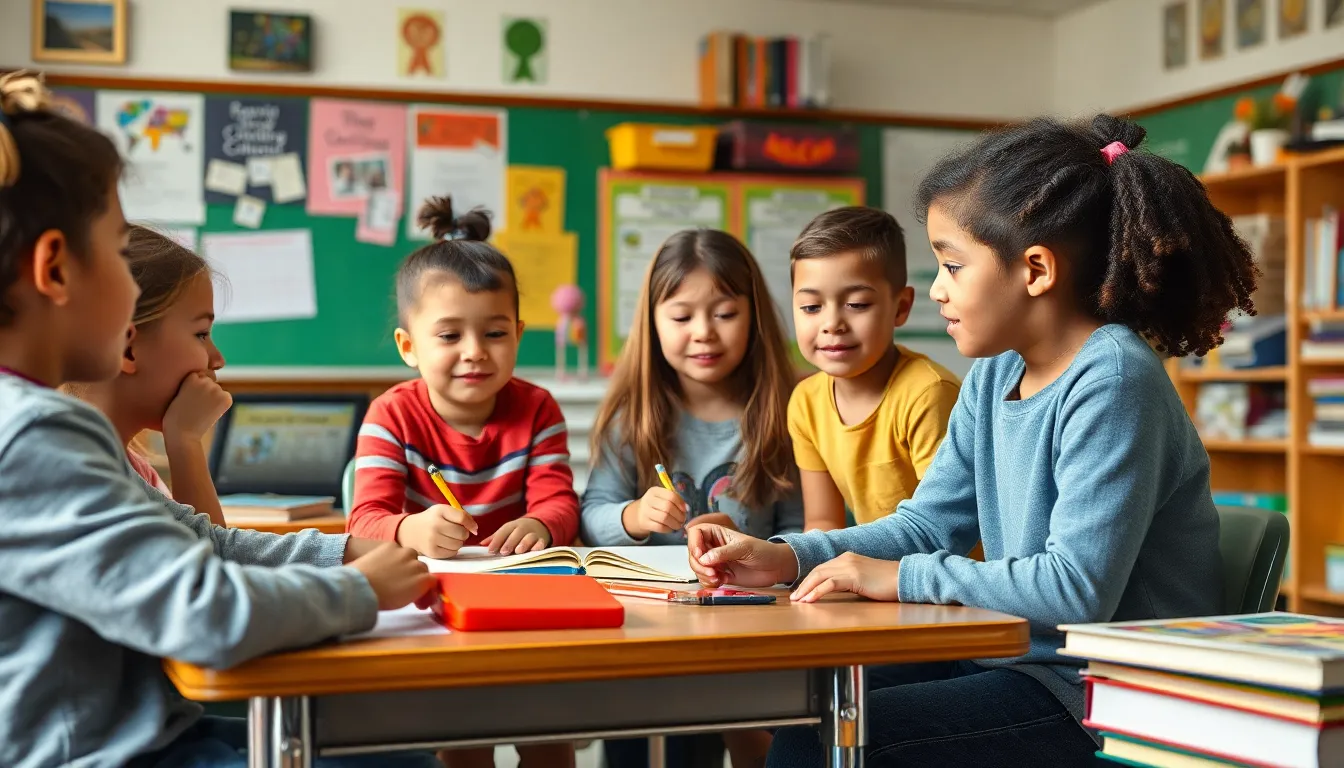
Year 6 typically includes children aged 10 to 11 years. This age range plays a crucial role in their transition to secondary education.
Typical Age Range
Most students in Year 6 are 10 or 11 years old, depending on the school cut-off dates. Students born between September and August usually fall into this category. For instance, a child born in July 2012 would turn 11 before the end of the academic year, qualifying them for Year 6.
Factors Influencing Age
Age can vary based on several factors, including:
- School Cut-off Dates: Different regions set their enrollment deadlines, affecting when children enter Year 6. Some areas start the academic year in August, while others begin in September.
- Birth Month: Children born earlier in the school year often start earlier, impacting their age in Year 6. For example, a child born in September may be older than peers born in June.
- Educational Systems: Various countries implement differing education structures, which may shift age specifications. For example, Year 6 in the UK aligns closely with grades 5 or 6 in the US system.
Understanding these factors helps parents and educators support children appropriately during this pivotal year.
Implications of Being Age-Specific in Year 6
Age-specific considerations in Year 6 play a crucial role in shaping the academic and social experiences of students aged 10 to 11. Understanding these implications aids parents and educators in supporting children effectively.
Academic Expectations
Academic expectations for Year 6 students are high, as this year serves as a bridge to secondary education. Students must demonstrate proficiency in subjects like mathematics, English, and science. They tackle more complex concepts and skills, including critical thinking and problem-solving. Standardized assessments often occur in this year, evaluating students’ readiness for secondary school. Parents and educators can better support students through tutoring, homework assistance, and encouraging good study habits.
Social Development
Social development in Year 6 is significant as children establish deeper friendships and navigate more complex social dynamics. Peer relationships often become a focal point, influencing self-esteem and emotional well-being. Children learn to collaborate, resolve conflicts, and develop empathy. Activities such as group projects and extracurricular clubs provide vital opportunities for building social skills. Parents and educators can foster healthy interactions by organizing playdates and encouraging open communication about social experiences.
Transitioning from Year 6
Transitioning from Year 6 marks a significant change in a child’s educational path. As students approach secondary school, they face new challenges and opportunities that shape their academic and social identities.
Moving to Secondary School
Moving to secondary school often generates mixed feelings among Year 6 students. Many experience excitement coupled with nervousness about adapting to a new environment. Typically, students transition around age 11, which coincides with the end of primary education. They encounter a larger school setting, increased class sizes, and a broader curriculum. Greater independence becomes essential; students must manage schedules, homework, and extracurricular activities.
Parents and educators can facilitate this transition by encouraging open communication about expectations and experiences. School visits and orientation days allow students to familiarize themselves with their new surroundings. Peer connections can ease anxiety; promoting friendships before the transition can enhance emotional support.
Emotional Impact
The emotional impact of transitioning from Year 6 is substantial. Students navigate feelings of excitement, anxiety, and uncertainty, all of which shape their self-worth and confidence. This change can affect social dynamics, as established friendships may evolve or be tested.
Supportive environments help mitigate anxiety and boost resilience. Parents can encourage dialogue about feelings, while educators can provide resources for managing stress. During this period, cultivating strong emotional skills is vital; these skills aid students in facing future challenges and changes in their academic journeys. Social activities, such as team sports or clubs, foster connections that enhance emotional well-being and support a smoother transition.
Year 6 represents a crucial stage in a child’s educational journey. At this age children are not only preparing for secondary school but also navigating significant social and emotional changes. Understanding the typical age range helps parents and educators provide the necessary support as students face academic challenges and develop deeper friendships.
As they transition into a new environment it’s important to foster open communication and encourage healthy social interactions. This support can significantly enhance their confidence and resilience during this pivotal time. By recognizing the unique experiences of Year 6 students parents and educators can help them thrive both academically and socially.